Autism and feeling too much (not too little)
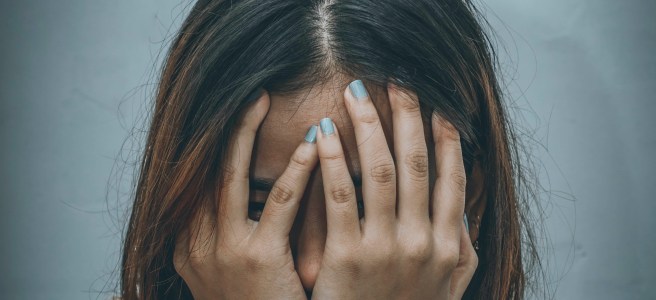
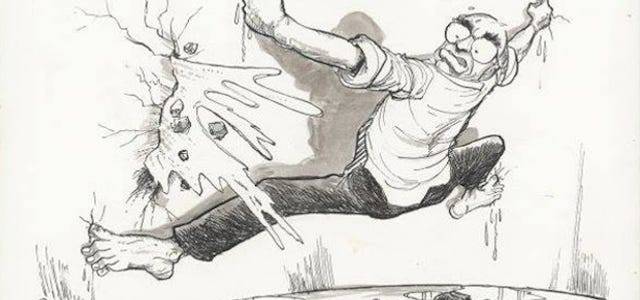
There are so many areas of human experience where autism is assumed to mean less than or shortfall whereas it’s often a case of more…so much more that it’s untenable and excruciating to be in the experience. Sometimes, the very appearance of so-called shortfall should prompt the question “is way too much going on in there, so much so that it can’t be handled or made sense of, can’t be articulated or processed in conventional ways?”.

Menopause…the time when “my autism broke”

Many women report that menopause was the time when their autism became much more pronounced or even a problem in so far as they were attempting to continue the status quo of their largely "adaptive" life as before yet that ability to mask and appear typical suddenly flew out of the window. It may even be the time when they first realised they were autistic, such were their adaptive skills up to that point.

Unbecoming

Coming out as you truly are, to yourself and to others, can be so utterly monumental, so pivotal, to your own personal wellbeing; yet also something which cannot be adequately conveyed to anyone who has not ever had to feel like an exile fumbling about in the darkness of their own bewildering life until this point. Nonetheless, it's an experience that deserves celebrating and encouraging, as I do today in these few words on the topic.

Autistic burnout and the dichotomy of “living to work” when your reality tells you it’s the other way around

All my life, I have struggled with the fixed cultural idea of "work", the ability to perform a job of work, to succeed at it as others do and to not burnout when I have one (having done so in every job I have ever had). I have discovered this is yet another common factor of autism and that it is profoundly linked to chronic health issues, to lifelong feelings of shame, of not belonging and of "being a failure", associated also with strong desires to work differently to mainstream and to get out of the present culture, change priorities around and do something different with life. In fact, an autistic viewpoint on some of these things could be of great value in these times, especially post-pandemic and faced with some of the current challenges. Exploring some of these things today.

Stomach issues, supplements and neurodiversity…what a pot of challenges!

Gut issues and neurodiversity is a BIG topic,affecting every single aspect of the nervous system and beyond. Diving in with some of what I've learned (the hard way) for myself as an autistic ADHD adult whilst hopefully offering some pointers and patterns to look out for.

“Let me share an example from my life” (neurodivergence in the context of relating)

Nurodivergents and neurotypicals are sometimes poles apart in their communication styles but imagine if we could just try to meet on some common ground whilst accepting those differences (that last part is key…nobody should be required to change themselves). Isn’t this exactly where the best hopes of humanity lie, as in, meeting across the so-called impossible divide?

Fibromyalgia as an expression of “stuckness”

When an emotion gets buried in the body, what does it look like years later and are there links to chronic health conditions? How are unidentiified autism or ADHD linked to fibromyalgia and chronic fatigue, as is emerging? What is our body trying to tell us when it seems so "stuck" and is this a clue to our recovery?

A place for strain/counterstrain therapy in EDS hypermobility

In Ehlers Danlos, muscle spasm and rigidity is a compensatory measure for hypermobility, to stabilise the joint. As such, it stems from a different cause to what is typical (not tightness as for most people but a response from the central and peripheral nervous system) and thus requires a different approach, but what? Exploring the possibilities via therapy and listening to your own body as a primary approach.

Effect of the sun on EDS, POTs, MCAS, ADHD etc.

When you live with EDS, MCAS, POTS or any of the several forms of neurodiversity its so important never to cease experimenting with what triggers or supports you best as your particular mix of ideal exposures and conditions is likely to be quite different to the next person's. Take, for instance, the effects of the sun...