Coping with sadness for what has been lost through chronic health
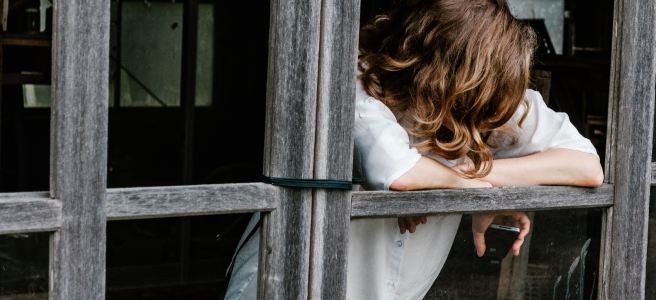
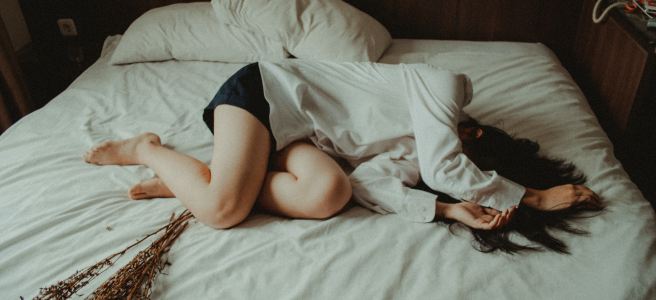
There comes a time, in chronic illness, where you have to address a profound need to be left alone, to carve your own space, time to put down all attempt at social skills to go mute and self-focused, devoid of all expectations from others to do or react or say the right things and just "be" in the dark void with whatever it is that is happening to you. There has to be time and space for you to pull into yourself, to lick your own wounds and to grieve your own losses which, though less overt than an actual "death", are a kind of bereavement all of their own...a deep sadness for the health you once had, the person you used to be, the hopes you once nurtured. This, like any bereavement, takes time and space and solitude enough to process. My craving for solitude is extremely high right now, perhaps no different to how any wounded or traumatised mammal will withdraw to its den in order to attempt to self-regulate its highly overstimulated nervous system in a way that can only ever be done by curling up, alone. No amount of kind gestures or people wanting to fuss or help out can play substitute for this need to be alone and look our current state in the eyes, to intuit what we most need and to search for the means to initiate the body's own healing process, which is not something you "do" but, instead, patiently wait for with whatever small iota of faith that you have left.

Exploring the link between hypermobility and neurodiversity

The very fact of constantly having to adapt, to meet alien-feeling situations on their terms, when others just slide into circumstances like a hand into a well-fitting glove, exhausts systemically when we don’t even notice how much we are having to do it, how much we are constantly having to bridge the gap between what is and how we are. This may have been damaging our health for years, as surely as long term smoking or heavy drinking, only we didn’t realise it until it was too late to avoid the consequences to our health. This is why I am passionate about helping other high adapters, women especially, to realise, embrace and advocate for their neurodiversity early on in life. It seems to me, autistic women often have a sort of hypermobility of a more subtle kind; one that enables them to become whatever people expect of them…but at what cost.

Worrying or stimming? Looking at an overactive mind from a neurdodivergent point of view

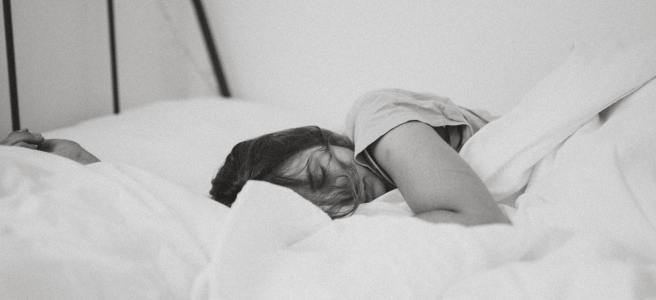
From what I can tell, neurodiverse criteria for getting a good night's sleep can be very different to "norm"...and we may not be as anxious as we seem, measured by usual criteria. So how can we tell when we are worrying compared to when just NEED to stimulate ourselves awake in the middle of the night (and why might that be)?

When your autistic health is minutely synced to the (apparently discombobulated) seasons

When you thrive on predictability, how does your body cope with delayed or oddly-behaving seasons? Or with prolongued transitions? Or when "feeling too much" and energy overload (ironically) translate as deficit? Exploring the effect of seasonal changes from a neurodivergent perspective.

The pitfalls of identification with a label and the power of positivity

Labels can be so useful, for identifying, explaining, pooling information, finding things out...but they also come with pitfalls. Exploring how to use them (with caution) and also the power of positivity as a tool for breaking out of any boxes.

Why chronic fatigue syndrome is such a painfully inadequate label and considering how ME/CFS may be connected to neurodiversity

What's in a label and looking at the bigger picture: Considering the importance of using the right descriptor when conveying the seriousness of your condition to yourself and others whilst exploring a possible link between CFS / ME and neurodiversity.

When stress and excitement are much the same thing: mechanism of a shutdown

I simply can’t be this finely tuned autistic person and not have a reboot setting to clear static off the lines. Exploring the anatomy of shutdown, how it is received and why it might be necessary.

Places that deplete

As an autistic person, some places instantly deplete me like I have taken a chemical bath or eaten something off my allergy list…the effect is that instantaneous. Exploring the importance of place as a primary factor in sensory processing and other aspects of neurodivergence.