Music festivals and the like: The biggest win isn’t pushing through but getting real about what you can and can’t do

As someone who is both autistic and who has disabilities, I've learned the hard way that the most important thing is to keep getting ever closer to living within my actual capacity (not some pipe dream based off "what I have done in the past" during all those years when I tended to try and normalise my behaviours), knowing my limitations, tailoring my life more and more to what feels good without all the compromise and stepping away from circumstances that have too high a toll, in terms of physical consequences and overstimulation from crowds and such, to be any good for me.

How long awaited hEDS diagnosis actually FEELS

So as it turns out, I'm not lazy, not hypochondriac, not a malingerer, not attention seeking, not making it all up, not interfering where I shouldn't, not feeble (far from it), not "over-sensitive" (ditto), not making a hobby or a hyperfocus out of illness, not collecting labels, not depressed nor anxious (except when the circumstances themselves pushed me that way), not trying too little nor doing it all wrong, not lost in self-absorption, not avoiding being a grown-up...or alive. I have been dealing with a complex multi-systemic health condition with as much grace and determination as I could muster on a daily basis. Unpacking some of the emotions of receiving a long awaited diagnosis.

Ehlers Danlos and reproductive health issues…the unsung song

The very strong association between EDS or HSD and reproductive health issues is seldom talked about, even more rarely studied. Exploring the territory of how apparently more than half of women with EDS or HSD have vulvodynia, am alarming 77% report dyspareunia, so many have enhanced menopause issues that this is often the first thing that really flags up that they are hypermobile in the first place and that's not even touching on all the other issues they may have put up with along the way, such as dysmenorrhea (particularly painful periods), cysts, pregnancy issues and postpartum injury. Shedding a little bit of light on these topics and exploring anything, at all, that helps.

Why “groups” don’t work for me and other AuDHD friendship foibles

Exploring the challenges of making friendships as a neurodivergent woman, perhaps late-diagnosed, following years of trials and tribulations trying so hard to find meaningful connections before you "realised" and navigating some of the things that patently don't work for our preferences (for instance isn't "group friendship" an oxymoron?), also learning how and when to safely drop all those masks.

Can silence and loneliness cause pain and other interesting observations

I'm noticing an effect...where too much quiet or lack of human connection can trigger massively increased rigidity in my body, poor breathing habits, temperature disregulation and other dysautonomic effects and massively increased pain, especially small fibre neuropathy. So what do people have to say about this; how might it be connected with chronic pain conditions, autism, social isolation, old age and more?

The sustained traumatising effect of trying to lead a “normal” sensory life with a neurodivergent nervous system

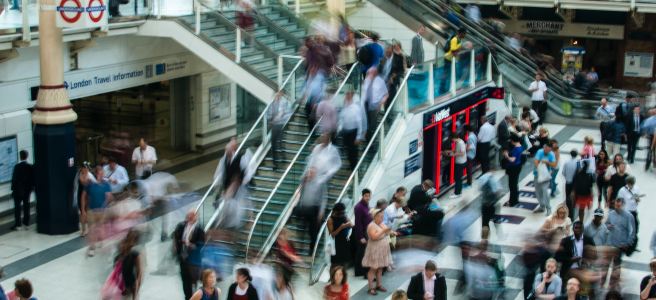
I do believe that constantly drip-fed overstimulation traumatises those of us without appropriate filters and barriers to cope with sensory experiences that are not designed to accommodate neurodivergence and in such a way that compounds with time, affecting us in ways that other people can’t even begin to imagine as they’re simply not having the same experience as us. Quite literally, the only thing we have in common with the majority of people who are apparently dealing with the exact same situations as us is that we’re physically in the same space…because the way we experience that space is a whole other matter. We can try to explain (with variable degrees of success) but we can never take them there with us so they understand! Until we give this effect the most appropriate name, trauma, we don’t deal with it appropriately either…because we just keep on sucking it up and wondering why we struggle and burn out so often and in so many apparently unusual or creative ways. Yet in the case of any other trauma we would work much harder to notice when it was happening, to put a stop to it and heal from it…but how do you heal from something that is relentless and ongoing, which you have to expose yourself to in order to be part of anything in life that has something to do with being around other people or in the world as it has been made to be, which is highly overstimulating and often too much for our differently wired systems?

Exploring the link between hypermobility and neurodiversity

The very fact of constantly having to adapt, to meet alien-feeling situations on their terms, when others just slide into circumstances like a hand into a well-fitting glove, exhausts systemically when we don’t even notice how much we are having to do it, how much we are constantly having to bridge the gap between what is and how we are. This may have been damaging our health for years, as surely as long term smoking or heavy drinking, only we didn’t realise it until it was too late to avoid the consequences to our health. This is why I am passionate about helping other high adapters, women especially, to realise, embrace and advocate for their neurodiversity early on in life. It seems to me, autistic women often have a sort of hypermobility of a more subtle kind; one that enables them to become whatever people expect of them…but at what cost.

The fascinating cross-over of ADHD and chronic illness (and other unsolvables)

I was at an outdoor concert in an idyllic setting listening to some of my favourite music and yet, less than 5 minutes into it, I realised some part of me was screaming an existential scream, knowing I was going to be sat there like this for the next couple of hours. Admitting I have ADHD, that I am wired to need more dopamine than most, that I am rewarded by all kinds of stims (and not all are created equal...plus some are much harder to come by when your health is compromised) is proving to be a massive step towards understanding chronic illness, how it came about and why it perpetuates.

Hypermobility and the moon (and other natural cycles)

When we notice how our bodies work so closely (as does eveything in nature) with the cycles of waxing and waning, we gain the tremendous power that comes from accepting what is and ceasing to resist the natural rhythms that can also be our best source of strength when we harness them for our recovery.