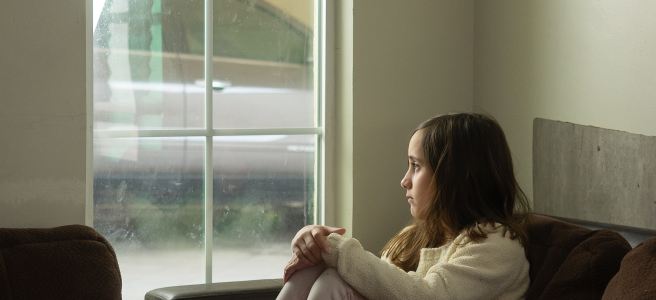
Internalised ableism meets autistic burnout

Neurotypical expectations tend to come at all of us from every imaginable angle when we are autistic but, when we also internalise them and bounce them back at ourselves from the inside, the effect can be toxic because there is literally no getting away from that ableist voice now; its there night and day. Until I am prepared to notice that the voice saying these things is not mine and stand up to it, and to anyone else having unrealistic expectations of me given my autistic take on certain situations that bother me more than they can imagine, I risk repeatedly throwing myself back into a burnout status because I will never allow myself to fully recover. Every time anything that looks like a “normal” or so called “reasonable” expectation comes my way, I will simply roll over and surrender to whatever is expected of me, abandoning my desperate need to stop doing these things or putting myself in the way of highly stimulating and demanding situations and exposures in the name of trying not to rock the boat or stand out as different.

Sensory burnout…and learning how to curate your particular version of autistic joy as a way out of it

Autistic joy comes in some unusual packages but I think we all get to know what our personal ones are when we pay attention so it's just a case of owning up to them and curating them into our days, even more so when we particularly need them. When we burn out, it becomes even more important that we draw on our arsenal of sensory stims and other tools to help reboot our nervous system, which will take as long as it takes...our bodies won't accept any shortcuts or short rations, perhaps even more so as we get older. Giving permission to ourselves to indulge in these things is where true autistic self-care starts and our best autistic life takes shape, no matter how "old" we are when we first realise this.

Assessing the true price of the deep dive

If you are extremely prone to taking deep dives, the time comes for asking: What is the true price of doing this in terms of its impact on self-care; is it all worth it? What do I gain from this latest obsession? Is my self-care repeatedly suffering, coming second-best to my latest fixation? Have I succeeded in traumatising myself in the name of a few inches of increased knowledge? What did I lose, in terms of blissful ignorance or humanising innocence, when I opened up that latest can of worms? Should I continue or just drop it now, like a hot potato, to reclaim my peace of mind? Can I break this trend of pushing myself too hard, too relentlessly, without first assessing the value of what I am doing or whether my nervous system would rather be doing something else or even has the reserves to cope? Can I allow that it’s not always a waste of time to be less driven or intense? Can I guide my inbuilt intensity into more benign practices that generate joy and not so much discontent, fear and trauma? Can I actually learn to steer this neurodivergent vehicle of mine instead of running it off the rails?

Choosing to become much more grounded in physical reality

Spirituality can be ungrounding to some autistic individuals; a controversial topic that I have intended to write about, from personal experience, for quite some time and which I have seen under discussion in some other quarters lately. Exploring the impact of a hyperfocused approach to spirituality on health, especially when, on top of inbuilt deficits in interoception, this potentially leads a person to become desperately unbalance and ungrounded in their physical body, leading to increased fragility and vulnerability.

Oxalates in review: one year into a lower oxalate diet

A year into a lower oxalate diet, what successes can I report? As it turns out, quite a few when I compare my far-less sensitive life now with the year before I made these changes, not to mention the biggest shift in symptoms and general health stability for years. Read on for a run down of all the improvements that I'm now appreciating in the rear view mirror.

Adult ADHD challenge: When you know you need to stop everything for while…but its a real struggle to do so

As someone with ADHD I can never completely stop or relax. I end up laughing at myself for my lack of ability to sustain even the most inviting moments of peace and inactivity for very long but I am also mortified. Almost as soon as I have clocked the perfection of such a moment, like taking a minds-eye photograph of it, I am already prepared to dismantle it and move on to the next thing. Its as though I am designed to blow-up such moments of completion, some part of me utterly compelled to drop the pebble in the smooth pond, like I just cant help myself!

The importance of finding your place

So many of us put up with living in less than ideal places and circumstances, especially if we feel we are stuck with them, but what if they are the missing piece of the whole health jigsaw. If we also happen to be neurodivergent, feeling "out of place" can be become such an innocuous-seeming sensation across the course of a lifetime because we become so acclimatised to feeling like a misfit in a lot of situations; our version of "normal". This makes it all too easy to ignore times when we are really in the wrong place or situation, when we should be doing something about it, especially when our health is being badly impacted. Clues might be subtle but we, of all people, are past masters at piecing together all the signs and patterns that tell us there is a better kind of life waiting for us somewhere, one that better fits the way we are wired.

Central heating as a potential trigger of vagus nerve atrophy?

Central heating can be a blessing but also such a curse. I strongly suspect that there's a need for the living environment to become more closely related to what nature has in mind, per the season we happen to be in. I don't mean that we need to make it frigid and uncomfortable but at least not stuffy, coddled or so artificially consistent...because all manmade consistency does for us is reduce the natural capacity to deal with variety and change (a case of use it or lose it). Personal zone temperature consistency sends confusing messages to a body that needs to still be able to cope with a highly variable world out there all of the rest of the time. If adaptability to change isn't your strong suit (particularly if you are neurodivergent) this can create real problems with the autonomic system and thus your health.

The positives of finding out you are autistic (if you are)

Before you realise you are autistic (if you are), all you tend to know is the outline of your autistic self, as in, the shape that is left where you don’t fit in with other people’s experiences. It’s a bit like drawing a portrait of someone by filling in the background and leaving a space where the person is standing; what they call a negative space composition, in art terms. You get to know what you aren’t…but not what you are. Such an approach tells you a lot about all the misfitting bits but nothing much about yourself and that, in itself, can be a source of ongoing trauma because it can leave you feeling like a blank. Finding out you are autistic begins a process of filling in all the blanks and getting to know who you actually are.

The effect of chronic stress and early-life trauma responses on long term health

Looking at what we already know about the effect of chronic unaddressed toxic stress and early life trauma-responses, specifically from the perspective of neurodivergence, and its possible link to chronic health issues.