The October Slide is real

I’ve been noticing the October slide into worse chronic health symptoms phenomenon for years (as reflected by countless posts alluding to it ever since I first started writing here) but, at last, I’m hearing tons of other people talking about, or maybe my ears are just pricked-up looking for more answers as ever, galling as it is to see a summer’s worth of steady health improvements set back like this once again. So what is it, why does it happen and what can be done to get through this heinously challenging time for some of us?

The fact I “seem” to be coping with the big event doesn’t mean that I really am!

My hypermobile neurodivergent way of getting through an event might not be typical and will generally involve a lot of extra strategy and accommodations but it is just as valid as the next person's and, the more I own this, the less disappointed I am with myself or my circumstances. The world does not, in any large way, accommodate people with neurodivergent sensory responses to the environment or their not insubstantial neurological or physical differences, especially if hypermobile, therefore big events are seldom pitched to accommodate us, as a minority factor in the room. The very best I can do is have my own list of helpful methods and tools at hand to get me through these big events my way whenever they happen, with a view to minimising the worst kinds of after effects sufficiently enough for me to be able to hold on to the happy highlights instead of all the low points. Here are a few of my tips to myself in case they are of use to anyone else.

Music festivals and the like: The biggest win isn’t pushing through but getting real about what you can and can’t do

As someone who is both autistic and who has disabilities, I've learned the hard way that the most important thing is to keep getting ever closer to living within my actual capacity (not some pipe dream based off "what I have done in the past" during all those years when I tended to try and normalise my behaviours), knowing my limitations, tailoring my life more and more to what feels good without all the compromise and stepping away from circumstances that have too high a toll, in terms of physical consequences and overstimulation from crowds and such, to be any good for me.

When chronic fatigue meets an ADHD brain

Just like it’s much harder for a hypermobile person to recover from an extended period of inactivity and lack of appropriate load-bearing (since I learned this the hard way, I have now heard it coorroberated by many reliable sources of hypermobility-meets-chronic fatigue information) I suspect it’s much harder for a neurodivergent person to recover from extended lack of cognitive load bearing. In fact, across both areas, my whole view of pacing has had to be changed since I was busy writing about it last year, with my source information taken from more neurotypical outlets at that time. So what’s important here is to "use it" in order not to "lose it"…yes…but to adapt the way we “use” and “move” to what we can genuinely cope with at this time, be it recumbent exercise or micro dosed cognitive excursions that we enjoy but don't sustain for too long at a time.

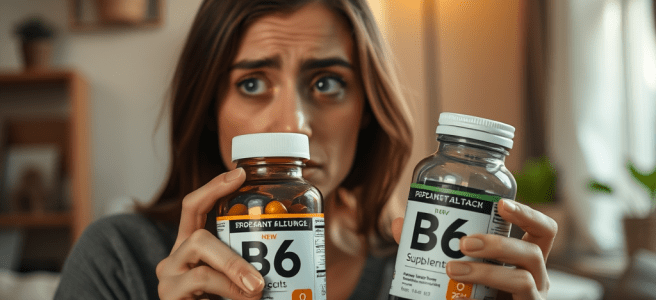
B6 toxicity? When there’s a reasonable posibility.

Potentially toxic levels of B6 supplements adversely affecting many people's health are finally hitting the spotlight and, by coincidence, just when I am finding out that they may have been a contributing factor to some of my worst and most frightening symptoms. Sharing the journey of discovery so far.

Super syndrome: taking a unified approach to all the things

What if there is a constellation of frequently overlapping health “things” that some of us have going on, all of them connected together so deeply and intrinsically that it makes a nonsense to consider them in a piecemeal fashion? Looking into the findings of a couple of neurodivergent medical professionals who share this view I have so long held and ways we can use the information to further our self-understanding and thus empower ourselves.

Slowly inching back outside after a crash

Of course you want to get back out there doing normal things, just as soon as you feel remotely ready, but there's a right time and a right way to do this with ME/CFS. Exploring some of the expectations, the risks, the difficulties and the lessons of inching back outside again.

What is “rolling PEM”?

Rolling PEM (post extertional malaise) tends to come on quite late after the multiple exertions that caused it, often creeping up on you unseen and then it comes on BIG. Its a trickster because it can even feel good at the time it starts accruing…I hear just so many people saying that they felt so good while they were in the thick of pushing through the big project or doing more exercise than normal or handling the new responsibility at work, that they felt like they were over ME/CFS; that they even thought that maybe they were getting permanently better at last, that it was a sign that they were ready to take on more. At the height of the adrenaline surge, you can feel as though you are more than coping, that things really are improving, that you are putting chronic illness behind you at last, so you then feel more confident to take on more of the "normal" things than you would otherwise dare...until, suddenly, it has the last laugh! I recently heard a description of it that went along these lines: if normal PEM is a debt that you always have to pay back after the energy overspend, like repaying a bank loan, then rolling PEM is like having to pay back a loan shark with unimaginable amounts of interest added on top. You really don't want to be indebted to that kind of debt collector because it will be utterly ruthless to deal with; there will be no more negotiating or delaying to be had, absolutely no leeway for extenuating circumstances given!

Life in the gap: coercing an AuDHD brain to work within the energy parameters of ME/CFS

Learning how to slow down, how to pace or stop everything including your overactive mind may be the biggest achievement of your life with ME/CFS when you are also AuDHD because it is THE hardest thing for you...yet slow down or stop you must. The point is, those spaces and pauses between exertion and overthinking, that very void you always dreaded, may hold the very healing elixir, the antedote, you've probably chased after all these years but getting into this state is always doubly tough for you and takes such persistence and focus...perhaps more effort than all the things you ever filled-up all your days with before.

Making invisibility more visible as someone with hidden disabilities

A recent experience I had, as someone living with invisible disabilities, including its positive outcome, just goes to show the importance of speaking up for your needs, of feeding back when things don’t work out and of urging venues and organisers to try harder in the future. Some, if not all, will listen and, in time, things should get better. It will also take a lot more education of the general public for things to really improve, which is something I hope we are all prepared to work towards, as we each do whenever we stand up for our challenges or dare to speak out and educate people regarding what isn’t so immediately obvious about our disability experience, utterly life-encroaching though it may be to us. We have every right to be able to expect to take part in, and enjoy, experiences that able bodied people are able to take for granted and, if it takes a few tweaks and accommodations to make that happen, then we should be pushing for those until we get them. Yes its very hard to do, and we need to pick the right time (for us) to be more vocal as it can take a lot out of us when we are already struggling but we also have to think about contributing, when we can, towards making our invisibility more visible, in all aspects of life until, little by little, people start to see us more clearly.