A massive breakthrough has shown me that recovery is possible and that it's got far more to do with emotions than I ever believed possible. Sharing the massive optimism of the TMS approach to chronic health.
A Tension Myositis Syndrome breakthrough


A massive breakthrough has shown me that recovery is possible and that it's got far more to do with emotions than I ever believed possible. Sharing the massive optimism of the TMS approach to chronic health.

If TMS is behind your chronic condition then, until you accept this and take the necessary action, you’re unlikely to move on. You have to believe in it, commit to doing the work and garner the faith that you can and will get well again. You have to let go of any negative feelings that arise from the realisation you’ve been caught in your own mind-trap all these years because it really wasn’t your fault as you had no idea and the brain is extremely good at doing this thing that it does to distract you from intense emotions with symptoms (and utterly convinced it is doing the right thing; that your very survival depends on it, thus it gives it everything it’s got). That’s a huge amount to contend with; the odds were stacked against you all along, but not anymore, now you know and can learn the tools for healing.

Its a message I ingrained into myself years ago, when I read a book on the topic cover-to-cover in an afternoon and heard all the numerous, often subtle, frequently devastating symptoms of B12 deficiency and yet, though I pursued a vegetarian and vegan diet for many years, and continued to present with a multitude of … Continue reading Don’t underestimate B12 deficiency, ever!

The way human society is devised, the very foundation stones of its connectivity networks, is based on us all having relatable, sharable situations and people being able to recognise when another person is in strife. When you have chronic conditions that not only isolate you from other people due to an equally chronic lack of spoons, also causing you to be misunderstood by other people (as people tend to assume you are making up lame excuses when they can’t see the energy deficits you are having to work with!) then having the additional pitfall of nobody being able to recognise that you are ill, because your disabilities are hidden from sight, even when you finally come out of the woodwork, is the final sting in the tail.
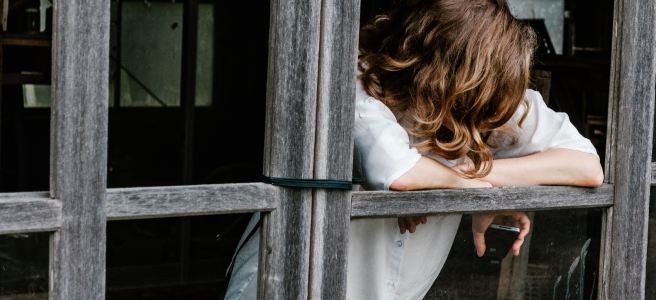
There comes a time, in chronic illness, where you have to address a profound need to be left alone, to carve your own space, time to put down all attempt at social skills to go mute and self-focused, devoid of all expectations from others to do or react or say the right things and just "be" in the dark void with whatever it is that is happening to you. There has to be time and space for you to pull into yourself, to lick your own wounds and to grieve your own losses which, though less overt than an actual "death", are a kind of bereavement all of their own...a deep sadness for the health you once had, the person you used to be, the hopes you once nurtured. This, like any bereavement, takes time and space and solitude enough to process. My craving for solitude is extremely high right now, perhaps no different to how any wounded or traumatised mammal will withdraw to its den in order to attempt to self-regulate its highly overstimulated nervous system in a way that can only ever be done by curling up, alone. No amount of kind gestures or people wanting to fuss or help out can play substitute for this need to be alone and look our current state in the eyes, to intuit what we most need and to search for the means to initiate the body's own healing process, which is not something you "do" but, instead, patiently wait for with whatever small iota of faith that you have left.

The very fact of constantly having to adapt, to meet alien-feeling situations on their terms, when others just slide into circumstances like a hand into a well-fitting glove, exhausts systemically when we don’t even notice how much we are having to do it, how much we are constantly having to bridge the gap between what is and how we are. This may have been damaging our health for years, as surely as long term smoking or heavy drinking, only we didn’t realise it until it was too late to avoid the consequences to our health. This is why I am passionate about helping other high adapters, women especially, to realise, embrace and advocate for their neurodiversity early on in life. It seems to me, autistic women often have a sort of hypermobility of a more subtle kind; one that enables them to become whatever people expect of them…but at what cost.
Looking at some of the core things we need...whether we have chronic health issues or not.

From what I can tell, neurodiverse criteria for getting a good night's sleep can be very different to "norm"...and we may not be as anxious as we seem, measured by usual criteria. So how can we tell when we are worrying compared to when just NEED to stimulate ourselves awake in the middle of the night (and why might that be)?

When you thrive on predictability, how does your body cope with delayed or oddly-behaving seasons? Or with prolongued transitions? Or when "feeling too much" and energy overload (ironically) translate as deficit? Exploring the effect of seasonal changes from a neurodivergent perspective.
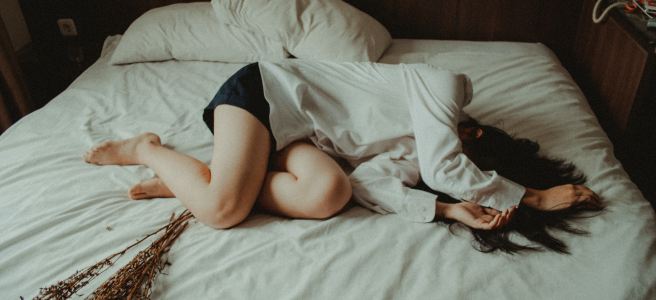
Looking into the potential triggers of a significant ME flare-up, noticing the kind of lifetime patterns and underlying (personal) stressors that might be at the root.


 Living whole