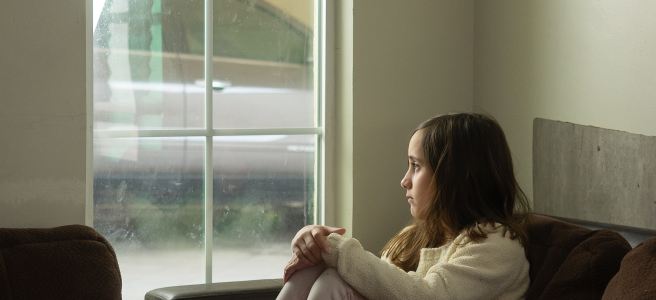
Can silence and loneliness cause pain and other interesting observations

I'm noticing an effect...where too much quiet or lack of human connection can trigger massively increased rigidity in my body, poor breathing habits, temperature disregulation and other dysautonomic effects and massively increased pain, especially small fibre neuropathy. So what do people have to say about this; how might it be connected with chronic pain conditions, autism, social isolation, old age and more?

The positives of finding out you are autistic (if you are)

Before you realise you are autistic (if you are), all you tend to know is the outline of your autistic self, as in, the shape that is left where you don’t fit in with other people’s experiences. It’s a bit like drawing a portrait of someone by filling in the background and leaving a space where the person is standing; what they call a negative space composition, in art terms. You get to know what you aren’t…but not what you are. Such an approach tells you a lot about all the misfitting bits but nothing much about yourself and that, in itself, can be a source of ongoing trauma because it can leave you feeling like a blank. Finding out you are autistic begins a process of filling in all the blanks and getting to know who you actually are.

The effect of chronic stress and early-life trauma responses on long term health

Looking at what we already know about the effect of chronic unaddressed toxic stress and early life trauma-responses, specifically from the perspective of neurodivergence, and its possible link to chronic health issues.

The sustained traumatising effect of trying to lead a “normal” sensory life with a neurodivergent nervous system

I do believe that constantly drip-fed overstimulation traumatises those of us without appropriate filters and barriers to cope with sensory experiences that are not designed to accommodate neurodivergence and in such a way that compounds with time, affecting us in ways that other people can’t even begin to imagine as they’re simply not having the same experience as us. Quite literally, the only thing we have in common with the majority of people who are apparently dealing with the exact same situations as us is that we’re physically in the same space…because the way we experience that space is a whole other matter. We can try to explain (with variable degrees of success) but we can never take them there with us so they understand! Until we give this effect the most appropriate name, trauma, we don’t deal with it appropriately either…because we just keep on sucking it up and wondering why we struggle and burn out so often and in so many apparently unusual or creative ways. Yet in the case of any other trauma we would work much harder to notice when it was happening, to put a stop to it and heal from it…but how do you heal from something that is relentless and ongoing, which you have to expose yourself to in order to be part of anything in life that has something to do with being around other people or in the world as it has been made to be, which is highly overstimulating and often too much for our differently wired systems?

Hypermobility is a spectrum disorder: its not all about subluxations!

News flash: hypermobility is not all about joint subluxations and is not as rare as they say, especially for women, but is actually a spectrum condition, meaning your most bewildering symptoms might be on that spectrum. You need to cease feeling like such an imposter in order to start looking hypermobility right in the eye because only then can you start to tackle it as a possible source of chronic pain, dysautonomia, GI issues and a whole host of other health mysteries.

Finding a happy medium (or, when your ideal doesn’t turn out to be so idyllic)

We tend to think we want some extremely strong version of what we think we long for on the full spectrum of choices, and often it’s the very opposite of what we currently have, but that’s usually just a reaction. The best life we can ever live is never a reaction but a choice. Making our own choices, rather than reacting, is how we get to upgrade our experiences of life by becoming mindful of what we really want and going after that. Life becomes its own upgrade when (perhaps forced by circumstances that challenge what we thought we knew) we get to surprise ourselves with what we find out about ourselves and then to be utterly, ruthlessly, honest about what we really want, which often turns out to be quite different to what we used to think that we wanted, perhaps for a very long time until now. This is the gift of the thing that challenges our normality, whether that's an illness or some other set of circumstances that, initially, seem to present more of something you craved...perhaps more time, more quiet, a slower pace...but as ever, there is a happy medium to be found. Realising this is the very first step to attaining it!

Boldly curating the unique life balance that enables your neurodiversity to thrive

At times, chronic illness has appeared like a more "socially acceptable" screen for so-called ADHD deficits that I am embarrassed to own up to....because I know, deep down, that they are not all that I have to offer, its just that the domestic routine of life fails to bring out my better qualities and it takes more variety and positive stimulation from life for me to light up and shine my unique light. When I don’t feed my need for positive hyperactivity, it presents as internal hyperactivity, mainly “overthinking” and then, given time, it ultimately presents as more and more physical symptoms....

A quest to know myself better through synesthesia

I’m beginning to sense that in synesthesia lies the key of so many aspects of my long running chronic pain. If I could only gain a better viewpoint of what actually happens to me when I sense things, I suspect I might be able to catch a glimpse (like some sideways-on reflection of myself reflected back at me in a shop window) of some of the causative aspects of pain where no other provocation for pain seems to exist. This feels like a worthwhile line of enquiry for anyone who is neurodivergent and weary of how unusual levels of pain never seems to abate, especially as I think it is possible to have one of the less talked-about versions of synesthesia and not even realise it since it is your version of normal.