The fact I “seem” to be coping with the big event doesn’t mean that I really am!

My hypermobile neurodivergent way of getting through an event might not be typical and will generally involve a lot of extra strategy and accommodations but it is just as valid as the next person's and, the more I own this, the less disappointed I am with myself or my circumstances. The world does not, in any large way, accommodate people with neurodivergent sensory responses to the environment or their not insubstantial neurological or physical differences, especially if hypermobile, therefore big events are seldom pitched to accommodate us, as a minority factor in the room. The very best I can do is have my own list of helpful methods and tools at hand to get me through these big events my way whenever they happen, with a view to minimising the worst kinds of after effects sufficiently enough for me to be able to hold on to the happy highlights instead of all the low points. Here are a few of my tips to myself in case they are of use to anyone else.

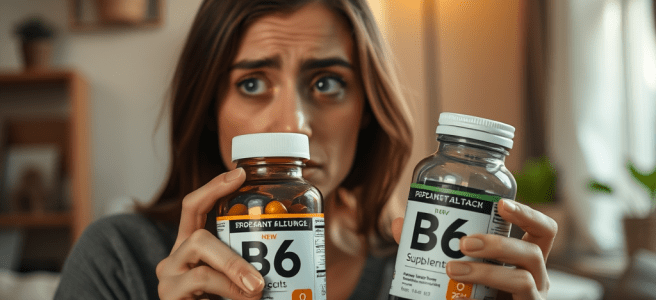
B6 toxicity? When there’s a reasonable posibility.

Potentially toxic levels of B6 supplements adversely affecting many people's health are finally hitting the spotlight and, by coincidence, just when I am finding out that they may have been a contributing factor to some of my worst and most frightening symptoms. Sharing the journey of discovery so far.

When the dopamine wears off…avoiding the next crash

Does dopamine really mitigate pain? If so, what part does dopamine shortfall play in chronic pain conditions such as fibromylagia, neuralgia and in the delayed and often exaggerated post exertional responses of ME/CFS? How does this factor overlap with other dopamine deficient conditions such as ADHD and parkinsons and how can the knowledge of it be used to hack a better life in chronic health cases where dopamine levels play such an intrinsic part?

On oxalates, emotions, self-protection, autism and releasing: a hypothesis

Exploring the idea that certain chronically painful bodies have formed the habit of storing oxalates (toxic anti-nutrients) from common food sources in order to protect us when, really, this only does great harm...and how to get out of the subconscious mindset of vulnerability in order to heal.

Don’t underestimate B12 deficiency, ever!

Its a message I ingrained into myself years ago, when I read a book on the topic cover-to-cover in an afternoon and heard all the numerous, often subtle, frequently devastating symptoms of B12 deficiency and yet, though I pursued a vegetarian and vegan diet for many years, and continued to present with a multitude of … Continue reading Don’t underestimate B12 deficiency, ever!

On oxalates, glutamates, autism and DNA

It seems that autism does lend itself to glitchy handling of oxalates, glutamates and some other dietary factors including omega 3s and certain vitamins, with broad ranging effects on health, pain levels and mental wellbeing. Piecing together some of my own detective work to iron out life-long struggles due to dietary factors, hoping to shed some light for others.

No sleep (a middle aged female angle)

Middle of the night thinking-aloud about the links between insomnia, autism, oxalates, vulvodynia and interstitial cystitis, chronic pain, environmental sensitivities, low to borderline thiamine B1 levels and feeling like you want to jump out of your skin!

Fibromyalgia in review

There is no one approach to fibromyalgia, it has to be a multi-system approach but this recap of what I know, with the help of a webinar I watched yesterday, has been a really big help in summarising all the key points and gaining some real clarity. Also for checking in with any approaches that need a little boosting and I also hope it might help anyone else who could do with a review.