Sensory burnout…and learning how to curate your particular version of autistic joy as a way out of it
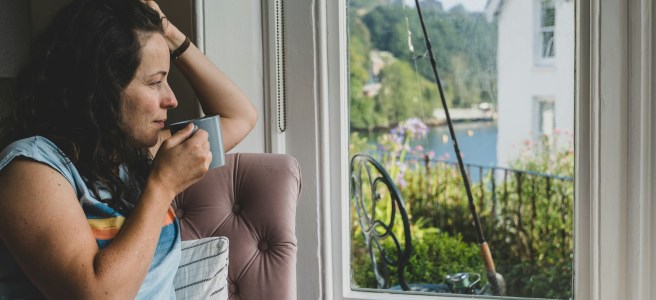
Autistic joy comes in some unusual packages but I think we all get to know what our personal ones are when we pay attention so it's just a case of owning up to them and curating them into our days, even more so when we particularly need them. When we burn out, it becomes even more important that we draw on our arsenal of sensory stims and other tools to help reboot our nervous system, which will take as long as it takes...our bodies won't accept any shortcuts or short rations, perhaps even more so as we get older. Giving permission to ourselves to indulge in these things is where true autistic self-care starts and our best autistic life takes shape, no matter how "old" we are when we first realise this.

Assessing the true price of the deep dive

If you are extremely prone to taking deep dives, the time comes for asking: What is the true price of doing this in terms of its impact on self-care; is it all worth it? What do I gain from this latest obsession? Is my self-care repeatedly suffering, coming second-best to my latest fixation? Have I succeeded in traumatising myself in the name of a few inches of increased knowledge? What did I lose, in terms of blissful ignorance or humanising innocence, when I opened up that latest can of worms? Should I continue or just drop it now, like a hot potato, to reclaim my peace of mind? Can I break this trend of pushing myself too hard, too relentlessly, without first assessing the value of what I am doing or whether my nervous system would rather be doing something else or even has the reserves to cope? Can I allow that it’s not always a waste of time to be less driven or intense? Can I guide my inbuilt intensity into more benign practices that generate joy and not so much discontent, fear and trauma? Can I actually learn to steer this neurodivergent vehicle of mine instead of running it off the rails?

Choosing to become much more grounded in physical reality

Spirituality can be ungrounding to some autistic individuals; a controversial topic that I have intended to write about, from personal experience, for quite some time and which I have seen under discussion in some other quarters lately. Exploring the impact of a hyperfocused approach to spirituality on health, especially when, on top of inbuilt deficits in interoception, this potentially leads a person to become desperately unbalance and ungrounded in their physical body, leading to increased fragility and vulnerability.

The importance of finding your place

So many of us put up with living in less than ideal places and circumstances, especially if we feel we are stuck with them, but what if they are the missing piece of the whole health jigsaw. If we also happen to be neurodivergent, feeling "out of place" can be become such an innocuous-seeming sensation across the course of a lifetime because we become so acclimatised to feeling like a misfit in a lot of situations; our version of "normal". This makes it all too easy to ignore times when we are really in the wrong place or situation, when we should be doing something about it, especially when our health is being badly impacted. Clues might be subtle but we, of all people, are past masters at piecing together all the signs and patterns that tell us there is a better kind of life waiting for us somewhere, one that better fits the way we are wired.

The sustained traumatising effect of trying to lead a “normal” sensory life with a neurodivergent nervous system

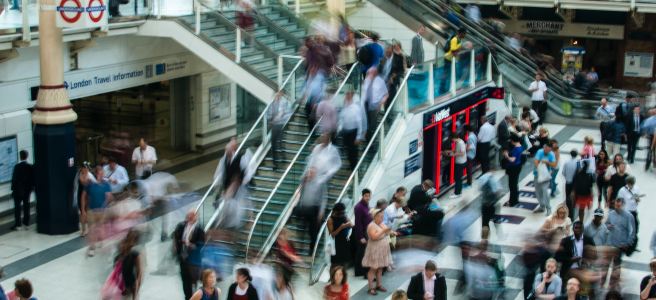
I do believe that constantly drip-fed overstimulation traumatises those of us without appropriate filters and barriers to cope with sensory experiences that are not designed to accommodate neurodivergence and in such a way that compounds with time, affecting us in ways that other people can’t even begin to imagine as they’re simply not having the same experience as us. Quite literally, the only thing we have in common with the majority of people who are apparently dealing with the exact same situations as us is that we’re physically in the same space…because the way we experience that space is a whole other matter. We can try to explain (with variable degrees of success) but we can never take them there with us so they understand! Until we give this effect the most appropriate name, trauma, we don’t deal with it appropriately either…because we just keep on sucking it up and wondering why we struggle and burn out so often and in so many apparently unusual or creative ways. Yet in the case of any other trauma we would work much harder to notice when it was happening, to put a stop to it and heal from it…but how do you heal from something that is relentless and ongoing, which you have to expose yourself to in order to be part of anything in life that has something to do with being around other people or in the world as it has been made to be, which is highly overstimulating and often too much for our differently wired systems?

Cultivating the fierce self-compassion you need to keep your essence intact

Unnecessary exposures to sadness, negativity and grief suck vital life force out of people; take this from a hypersensitive person who knows all too well the cost to health. Learning how to fiercely curate the amount of exposure to negativity that we can cope with as an exercise in self-compassion.

A quest to know myself better through synesthesia

I’m beginning to sense that in synesthesia lies the key of so many aspects of my long running chronic pain. If I could only gain a better viewpoint of what actually happens to me when I sense things, I suspect I might be able to catch a glimpse (like some sideways-on reflection of myself reflected back at me in a shop window) of some of the causative aspects of pain where no other provocation for pain seems to exist. This feels like a worthwhile line of enquiry for anyone who is neurodivergent and weary of how unusual levels of pain never seems to abate, especially as I think it is possible to have one of the less talked-about versions of synesthesia and not even realise it since it is your version of normal.

Synesthesia or salience: autism and environmental sensitivity

In the case of those of us most sensitive to environmental factors, is "weather (or whatever it is) salience" a more apt term to describe a higher degree of awareness that leaves other people wondering what on earth we are talking about and does synaesthesia sometimes get recruited by our neurodiverse brains as a means of extending the basic sensory tools so that we get to gather far more "data" from our environment in an attempt to better "systemise" our experience of the otherwise random-seeming world we live in?