The October Slide is real

I’ve been noticing the October slide into worse chronic health symptoms phenomenon for years (as reflected by countless posts alluding to it ever since I first started writing here) but, at last, I’m hearing tons of other people talking about, or maybe my ears are just pricked-up looking for more answers as ever, galling as it is to see a summer’s worth of steady health improvements set back like this once again. So what is it, why does it happen and what can be done to get through this heinously challenging time for some of us?

When chronic fatigue meets an ADHD brain

Just like it’s much harder for a hypermobile person to recover from an extended period of inactivity and lack of appropriate load-bearing (since I learned this the hard way, I have now heard it coorroberated by many reliable sources of hypermobility-meets-chronic fatigue information) I suspect it’s much harder for a neurodivergent person to recover from extended lack of cognitive load bearing. In fact, across both areas, my whole view of pacing has had to be changed since I was busy writing about it last year, with my source information taken from more neurotypical outlets at that time. So what’s important here is to "use it" in order not to "lose it"…yes…but to adapt the way we “use” and “move” to what we can genuinely cope with at this time, be it recumbent exercise or micro dosed cognitive excursions that we enjoy but don't sustain for too long at a time.

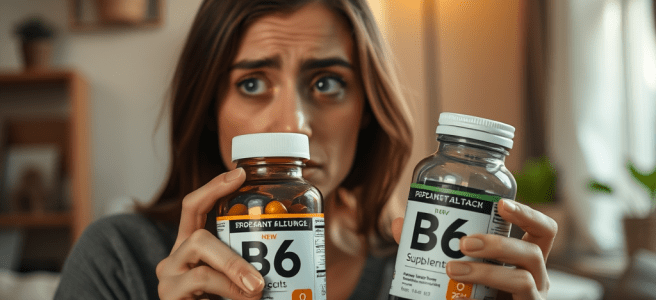
B6 toxicity? When there’s a reasonable posibility.

Potentially toxic levels of B6 supplements adversely affecting many people's health are finally hitting the spotlight and, by coincidence, just when I am finding out that they may have been a contributing factor to some of my worst and most frightening symptoms. Sharing the journey of discovery so far.

Pacing 101

When was the last time I just sat there and did absolutely nothing for long-ish phases of time? When did I, with hands on knees, just sit and watch the birds out of the window and let my mind become blank for more than just five minutes at a time? In fact, when do I ever allow myself to be still, without my mind flooding with a dozen new and ever-more more jet propelled urges to do half a dozen other things the moment I allow myself to get going again…and then, once I get going, becoming so hyperfocused I forget to get back to my pacing? Every time I allow myself a short period of activity, I risk becoming embroiled again. It’s hard…probably one of the hardest things (if not the hardest) I’ve ever attempted but the few times I managed to really master pacing, last week I began to feel noticeable benefits that I find hard to explain in words but I felt them clearly enough. There were distinct shifts in me that I hadn’t experienced for a long time, some of them for years, which manifested slowly and subtly like ghosts of a new experience stood on the periphery, contrasting starkly with all the stuck-feelings of chronicness. The best I can explain is that my nervous system felt less compressed or jangly, my body felt less hypertonic and my endorphins felt increased, in short bursts, that almost felt like excitement or waves of appreciation and something bordering on joyfulness. I can vaguely recall feeling like that much more often, even perhaps frequently, back in the good old days, back before ME/CFS took hold in such a way that it has become a whole other way of life but I think it had been a very long time since I had been there, even for a moment, until I started properly pacing last week and now I hold out for experiencing even more of this. It turns out pacing is not this passive thing, the "absence of activity" that I feared so much but this incredibly proactive thing that lets other good things happen.


History of a health burnout; what the past can teach me now

Such as we are experts in anything, those of us with long term health issues also possess a rich hoard of hard-won experience and insight into what made us chronic in the first place. So, what can we take from all the years of navigating our way through the experience of chronic illness as a means to averting a delayed recovery from covid or other trigger virus, especially when we notice any similarities with what we have been through before? Can we now take the overview in order to notice and better understand the patterns, weak spots and trip-wires of chronicness before they become ingrained this time?

Covid’s effect on the vagus nerve (especially if you are susceptible)

Exploring a known link between covid-19 and certain issues relating to the vagus nerve (amongst others); how does this relate to some of the more scattered seeming symptoms of long covid and what can be done about it in the hopes of making a speedy and full recovery?

The exercise paradox in recovery from chronic conditions

It may seem like a reasonable suggestion, that you increase your exercise to recover from chronic illnesses such as long covid or CFS...or is it really a terrible mistake that could make things much worse? Exploring the paradoxical role of exercise for recovery from these highly contrary conditions.