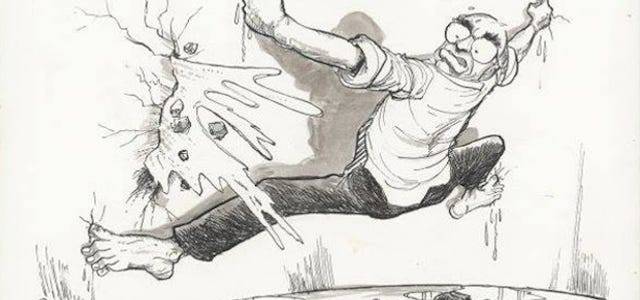
Autistic burnout and the dichotomy of “living to work” when your reality tells you it’s the other way around

All my life, I have struggled with the fixed cultural idea of "work", the ability to perform a job of work, to succeed at it as others do and to not burnout when I have one (having done so in every job I have ever had). I have discovered this is yet another common factor of autism and that it is profoundly linked to chronic health issues, to lifelong feelings of shame, of not belonging and of "being a failure", associated also with strong desires to work differently to mainstream and to get out of the present culture, change priorities around and do something different with life. In fact, an autistic viewpoint on some of these things could be of great value in these times, especially post-pandemic and faced with some of the current challenges. Exploring some of these things today.

Stomach issues, supplements and neurodiversity…what a pot of challenges!

Gut issues and neurodiversity is a BIG topic,affecting every single aspect of the nervous system and beyond. Diving in with some of what I've learned (the hard way) for myself as an autistic ADHD adult whilst hopefully offering some pointers and patterns to look out for.

Rejection Sensitive Dysphoria

Rejection Sensitive Dysphoria is debilitating, devastating, isolating and often quite unbearable and yet nobody that has not experienced it for themselves can imagine what it truly feels like on the inside; there is no point of reference for anyone that isn't wired that way since it is the product of particular genetics plus epigenetics combined with a lifetime of trauma. As a common experience of both autism and ADHD and something I experience myself, this important topic has been on my list of most daunting things to cover for quite some time...here goes.

“Let me share an example from my life” (neurodivergence in the context of relating)

Nurodivergents and neurotypicals are sometimes poles apart in their communication styles but imagine if we could just try to meet on some common ground whilst accepting those differences (that last part is key…nobody should be required to change themselves). Isn’t this exactly where the best hopes of humanity lie, as in, meeting across the so-called impossible divide?

Chronic environment

Environment is such a big topic when it comes to chronic illness, perhaps an obvious one too but I also think far too many people with chronic health problems get so wrapped up in their own situation that they fall into the trap of imagining all their problems stem from a faulty body. Even when they do realise the environment may be playing a considerable part, they don't seem to see what the issues are or they assume there is nothing that can be done about it, but that's not entirely true...awareness always leads to choices we may have overlooked.

Living with syndromes

Learning to live with any of the syndromes (CFS, POTs, fibro, CSS, EDS, MCAS, to name but a few) can be incredibly tough. From dealing with doubters and denial, discrimination, misunderstanding, thoughtlessness, rejection, loneliness, fear, self-doubt and all the other rigours of long term chronic illness, this post takes a look at it all.

Fibromyalgia as an expression of “stuckness”

When an emotion gets buried in the body, what does it look like years later and are there links to chronic health conditions? How are unidentiified autism or ADHD linked to fibromyalgia and chronic fatigue, as is emerging? What is our body trying to tell us when it seems so "stuck" and is this a clue to our recovery?

The fascinating cross-over of ADHD and chronic illness (and other unsolvables)

I was at an outdoor concert in an idyllic setting listening to some of my favourite music and yet, less than 5 minutes into it, I realised some part of me was screaming an existential scream, knowing I was going to be sat there like this for the next couple of hours. Admitting I have ADHD, that I am wired to need more dopamine than most, that I am rewarded by all kinds of stims (and not all are created equal...plus some are much harder to come by when your health is compromised) is proving to be a massive step towards understanding chronic illness, how it came about and why it perpetuates.