Independence

The slow and steady loss of independence that can happen when you have a disability or health issue can be quite pernicious, quietly gnawing into the roots of your confidence until its too late to undo. Exploring ways that we get to feel independent in spite of other limitations and how important it is to preserve them.

Living (not waiting)

So many of us feel like we are waiting for the other shoe to drop, breath held, with forces beyond our control seemingly holding all sway over our lives. All the more important, then, to corner some area of your life where you get to exercise the muscle of influencing things that feel creative and positive, whether this is a literal act of creation (and I don’t just mean art) or making decisions, taking actions, putting things in the diary that will help sculpt a better feeling about life, for yourself and others.

On oxalates, glutamates, autism and DNA

It seems that autism does lend itself to glitchy handling of oxalates, glutamates and some other dietary factors including omega 3s and certain vitamins, with broad ranging effects on health, pain levels and mental wellbeing. Piecing together some of my own detective work to iron out life-long struggles due to dietary factors, hoping to shed some light for others.

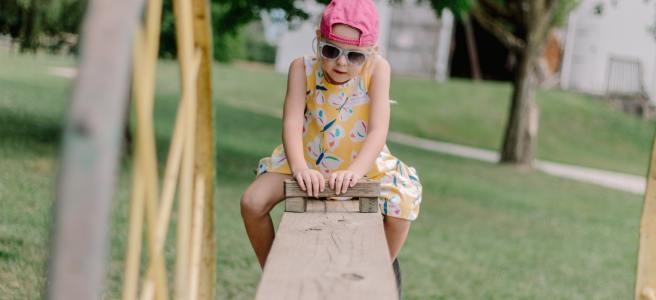
Two ends of the see-saw: getting to see my ADHD brain in action

An unusually busy phase has blown some theories I once held about neurodivergent traits and chronic illness out of the water or reframed them in a new light. Exploring the link between needing to keep busy, pain perception, sensory sensitivity and chronic fatigue.

No sleep (a middle aged female angle)

Middle of the night thinking-aloud about the links between insomnia, autism, oxalates, vulvodynia and interstitial cystitis, chronic pain, environmental sensitivities, low to borderline thiamine B1 levels and feeling like you want to jump out of your skin!

Moving towards your best post-burnout autistic life

Longing to find "your place" in the world, to reclaim your energy from the need to mask, to set parameters around exposures to sensory, social and other factors that detract from quality of life and to be fully unapologetically autistically yourself. What would your best post-burnout autistic life look like and how good would it make you feel?

The peaks and the perils of hyperfocus: a seasonal perspective

Exploring the trials and tribulations of Christmas as an autistic-ADHD adult prone to hyperfocus; and how this one trait alone can be the source of stress and burnout, yet still so much you can do better, including self-compassion, once you realise and work with the trait.

A lifetime fuelled by pain and frustration: handling the emotional fallout of long-term undiagnosed autism

A combination of having a blind spot when it comes to your own emotions (alexithymia) and a lifetime of fear around unleashing strong emotions.not to mention the stockpile of anger, frustration and trauma from all the difficult years before diagnosis, can conspire to push strong emotions deep into the body. Exploring how autistic challenges such as these could manifest as chronic illness and especially chronic pain.

Who I am, how I choose to live; an autistic reappraisal, one year in

Diagnosing as autistic is just the very first step. Reappraising you choices, what truly motivates you, how and when to engage with others, how much of yourself you have been giving up to conform and what you are going to have to let go of to become more authentically yourself...these are the next steps in the ongoing journey of overhauling your autistic life.