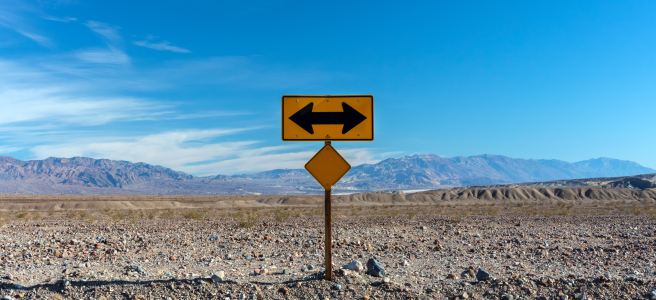
Studying yourself under pressure as an exercise in enhanced self-awareness
How do you shape-sort your life, what unusual things motivate you, where do you get your particular kicks, how and with whom (not!) do you like to work; conversely, what gets your back up, scrambles your processes or burns you out? There's nothing like noticing your behaviour under pressure to learn about your particular version of neurodiversity, all the better to work to your unique strengths in future!

On oxalates, emotions, self-protection, autism and releasing: a hypothesis

Exploring the idea that certain chronically painful bodies have formed the habit of storing oxalates (toxic anti-nutrients) from common food sources in order to protect us when, really, this only does great harm...and how to get out of the subconscious mindset of vulnerability in order to heal.

Differences in communication style: when culture adds its weight to neurology

What best defines that place we call "home"? Could it be the place where our neuro-style just seems to fit the best, where our particular communication style mostly blends in without trying so hard, where inclusiveness means we get to be accepted just as we are, even with our neurodiversities laid out on the table for all to see?

Don’t underestimate B12 deficiency, ever!

Its a message I ingrained into myself years ago, when I read a book on the topic cover-to-cover in an afternoon and heard all the numerous, often subtle, frequently devastating symptoms of B12 deficiency and yet, though I pursued a vegetarian and vegan diet for many years, and continued to present with a multitude of … Continue reading Don’t underestimate B12 deficiency, ever!

Exploring the link between hypermobility and neurodiversity

The very fact of constantly having to adapt, to meet alien-feeling situations on their terms, when others just slide into circumstances like a hand into a well-fitting glove, exhausts systemically when we don’t even notice how much we are having to do it, how much we are constantly having to bridge the gap between what is and how we are. This may have been damaging our health for years, as surely as long term smoking or heavy drinking, only we didn’t realise it until it was too late to avoid the consequences to our health. This is why I am passionate about helping other high adapters, women especially, to realise, embrace and advocate for their neurodiversity early on in life. It seems to me, autistic women often have a sort of hypermobility of a more subtle kind; one that enables them to become whatever people expect of them…but at what cost.

The pitfalls of identification with a label and the power of positivity

Labels can be so useful, for identifying, explaining, pooling information, finding things out...but they also come with pitfalls. Exploring how to use them (with caution) and also the power of positivity as a tool for breaking out of any boxes.

Why chronic fatigue syndrome is such a painfully inadequate label and considering how ME/CFS may be connected to neurodiversity

What's in a label and looking at the bigger picture: Considering the importance of using the right descriptor when conveying the seriousness of your condition to yourself and others whilst exploring a possible link between CFS / ME and neurodiversity.

On oxalates, glutamates, autism and DNA

It seems that autism does lend itself to glitchy handling of oxalates, glutamates and some other dietary factors including omega 3s and certain vitamins, with broad ranging effects on health, pain levels and mental wellbeing. Piecing together some of my own detective work to iron out life-long struggles due to dietary factors, hoping to shed some light for others.