Studying yourself under pressure as an exercise in enhanced self-awareness
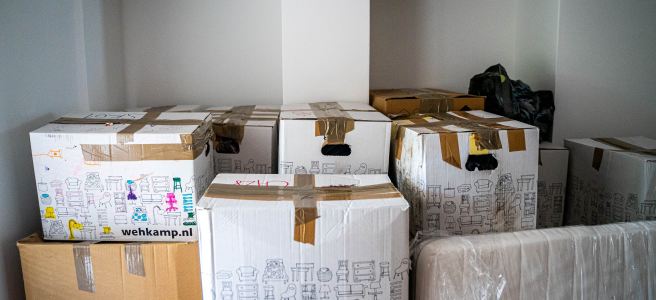
How do you shape-sort your life, what unusual things motivate you, where do you get your particular kicks, how and with whom (not!) do you like to work; conversely, what gets your back up, scrambles your processes or burns you out? There's nothing like noticing your behaviour under pressure to learn about your particular version of neurodiversity, all the better to work to your unique strengths in future!

Exploring the link between hypermobility and neurodiversity

The very fact of constantly having to adapt, to meet alien-feeling situations on their terms, when others just slide into circumstances like a hand into a well-fitting glove, exhausts systemically when we don’t even notice how much we are having to do it, how much we are constantly having to bridge the gap between what is and how we are. This may have been damaging our health for years, as surely as long term smoking or heavy drinking, only we didn’t realise it until it was too late to avoid the consequences to our health. This is why I am passionate about helping other high adapters, women especially, to realise, embrace and advocate for their neurodiversity early on in life. It seems to me, autistic women often have a sort of hypermobility of a more subtle kind; one that enables them to become whatever people expect of them…but at what cost.

Worrying or stimming? Looking at an overactive mind from a neurdodivergent point of view

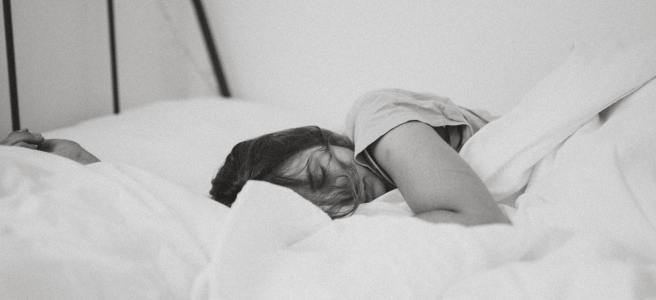
From what I can tell, neurodiverse criteria for getting a good night's sleep can be very different to "norm"...and we may not be as anxious as we seem, measured by usual criteria. So how can we tell when we are worrying compared to when just NEED to stimulate ourselves awake in the middle of the night (and why might that be)?

Why chronic fatigue syndrome is such a painfully inadequate label and considering how ME/CFS may be connected to neurodiversity

What's in a label and looking at the bigger picture: Considering the importance of using the right descriptor when conveying the seriousness of your condition to yourself and others whilst exploring a possible link between CFS / ME and neurodiversity.

When stress and excitement are much the same thing: mechanism of a shutdown

I simply can’t be this finely tuned autistic person and not have a reboot setting to clear static off the lines. Exploring the anatomy of shutdown, how it is received and why it might be necessary.

Moving towards your best post-burnout autistic life

Longing to find "your place" in the world, to reclaim your energy from the need to mask, to set parameters around exposures to sensory, social and other factors that detract from quality of life and to be fully unapologetically autistically yourself. What would your best post-burnout autistic life look like and how good would it make you feel?

The peaks and the perils of hyperfocus: a seasonal perspective

Exploring the trials and tribulations of Christmas as an autistic-ADHD adult prone to hyperfocus; and how this one trait alone can be the source of stress and burnout, yet still so much you can do better, including self-compassion, once you realise and work with the trait.

Two horse buggy: learning to drive the double horse team of autism and ADHD

Burnout or even trauma can be a very real risk if you are autistic and find social engagement really challenging or have poor track record; however, it can also be a highly positive "stim" from which you may get far more positive effects than you know. How to reconcile this two pony team, and the completely different directions they pull in, can be a lifelong conundrum if you happen to be both autistic and ADHD but getting it right can potentially lead to far better health and a vastly improved quality of life.

Full spectrum

Being on the spectrum doesn’t mean one person lives at a high functioning end and some other autistic person lives somewhere in the middle or at the bottom. It means we are all a range, within ourselves, and some of those highs can mask the lows (a primary reason for missed diagnosis). One trait alone can overcompensate for several shortfalls and mean adults are so blinded by your ability they don’t accommodate or even see your considerable struggles. You then exhaust yourself by overcompensating for, or masking, your own struggles for years, burning yourself out by having to work twice as hard as everyone else just to get by or meet high expectations set by others which you took on at face value. Suddenly, you are hit between the eyes by the pathos of this…you were never really that person they thought you were, which you took on at face value, but rather this other person with such a wide mixture of gifts and challenges they almost seem to cancel you out.

If you are a woman who even vaguely suspects you have ADHD…

Women with ADHD tend not look like men with ADHD; we often hide it, we work around it, we express it differently and we harness it in ways that allow us to excel and do our suffering in private, we even seem to feel about it a different way to most men, so its absolutely essential to find other women and hear what they have to say if you are going to work out if this is really you!