Finding a happy medium (or, when your ideal doesn’t turn out to be so idyllic)
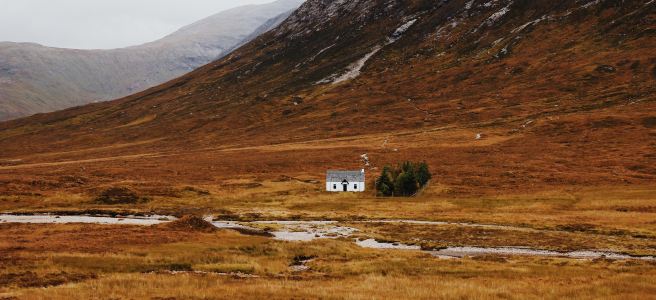
We tend to think we want some extremely strong version of what we think we long for on the full spectrum of choices, and often it’s the very opposite of what we currently have, but that’s usually just a reaction. The best life we can ever live is never a reaction but a choice. Making our own choices, rather than reacting, is how we get to upgrade our experiences of life by becoming mindful of what we really want and going after that. Life becomes its own upgrade when (perhaps forced by circumstances that challenge what we thought we knew) we get to surprise ourselves with what we find out about ourselves and then to be utterly, ruthlessly, honest about what we really want, which often turns out to be quite different to what we used to think that we wanted, perhaps for a very long time until now. This is the gift of the thing that challenges our normality, whether that's an illness or some other set of circumstances that, initially, seem to present more of something you craved...perhaps more time, more quiet, a slower pace...but as ever, there is a happy medium to be found. Realising this is the very first step to attaining it!

A quest to know myself better through synesthesia

I’m beginning to sense that in synesthesia lies the key of so many aspects of my long running chronic pain. If I could only gain a better viewpoint of what actually happens to me when I sense things, I suspect I might be able to catch a glimpse (like some sideways-on reflection of myself reflected back at me in a shop window) of some of the causative aspects of pain where no other provocation for pain seems to exist. This feels like a worthwhile line of enquiry for anyone who is neurodivergent and weary of how unusual levels of pain never seems to abate, especially as I think it is possible to have one of the less talked-about versions of synesthesia and not even realise it since it is your version of normal.

Synesthesia or salience: autism and environmental sensitivity

In the case of those of us most sensitive to environmental factors, is "weather (or whatever it is) salience" a more apt term to describe a higher degree of awareness that leaves other people wondering what on earth we are talking about and does synaesthesia sometimes get recruited by our neurodiverse brains as a means of extending the basic sensory tools so that we get to gather far more "data" from our environment in an attempt to better "systemise" our experience of the otherwise random-seeming world we live in?

Big emotions at the root of “chronic”

If TMS is behind your chronic condition then, until you accept this and take the necessary action, you’re unlikely to move on. You have to believe in it, commit to doing the work and garner the faith that you can and will get well again. You have to let go of any negative feelings that arise from the realisation you’ve been caught in your own mind-trap all these years because it really wasn’t your fault as you had no idea and the brain is extremely good at doing this thing that it does to distract you from intense emotions with symptoms (and utterly convinced it is doing the right thing; that your very survival depends on it, thus it gives it everything it’s got). That’s a huge amount to contend with; the odds were stacked against you all along, but not anymore, now you know and can learn the tools for healing.

When your autistic health is minutely synced to the (apparently discombobulated) seasons

When you thrive on predictability, how does your body cope with delayed or oddly-behaving seasons? Or with prolongued transitions? Or when "feeling too much" and energy overload (ironically) translate as deficit? Exploring the effect of seasonal changes from a neurodivergent perspective.

Why chronic fatigue syndrome is such a painfully inadequate label and considering how ME/CFS may be connected to neurodiversity

What's in a label and looking at the bigger picture: Considering the importance of using the right descriptor when conveying the seriousness of your condition to yourself and others whilst exploring a possible link between CFS / ME and neurodiversity.

A lifetime fuelled by pain and frustration: handling the emotional fallout of long-term undiagnosed autism

A combination of having a blind spot when it comes to your own emotions (alexithymia) and a lifetime of fear around unleashing strong emotions.not to mention the stockpile of anger, frustration and trauma from all the difficult years before diagnosis, can conspire to push strong emotions deep into the body. Exploring how autistic challenges such as these could manifest as chronic illness and especially chronic pain.

Who I am, how I choose to live; an autistic reappraisal, one year in

Diagnosing as autistic is just the very first step. Reappraising you choices, what truly motivates you, how and when to engage with others, how much of yourself you have been giving up to conform and what you are going to have to let go of to become more authentically yourself...these are the next steps in the ongoing journey of overhauling your autistic life.

Two horse buggy: learning to drive the double horse team of autism and ADHD

Burnout or even trauma can be a very real risk if you are autistic and find social engagement really challenging or have poor track record; however, it can also be a highly positive "stim" from which you may get far more positive effects than you know. How to reconcile this two pony team, and the completely different directions they pull in, can be a lifelong conundrum if you happen to be both autistic and ADHD but getting it right can potentially lead to far better health and a vastly improved quality of life.